
PROFESSIONAL PROFILES
Three Floral Trends We’re Watching in 2027, Through the Work of Myrtle et Olive
2027 wedding floral trends from Myrtle et Olive Floral & Events: sculptural grouping, architectural palettes and bolder color
Floral forecasts usually arrive as lists of blooms. The predictions we find more interesting for 2027 are about behaviour: how flowers sit in a space, where colour comes from, and how much a designer is willing to leave out.
Heading into 2027, we expect wedding florals to become more deliberate. Fewer gestures, each doing more work. Colour drawn from the setting instead of a swatch book. And a growing appetite for the unexpected, whether that’s an unusual leaf or a bolder accent set against something classic.
Few studios show that thinking in practice as clearly as Myrtle et Olive Floral & Events. Led by Heather Siu the studio works in a garden-inspired style: structured when a setting calls for structure, soft wherever it can be. Across three recent projects in Bali, Tuscany and Vancouver, it has been quietly testing the ideas we expect to see more of next year. Here is what we’re watching, and why.
Trend One: Creating Movement Through Grouping
Bali, Jumeirah
In 2027, the ceremony aisle stops being a line and becomes a landscape.
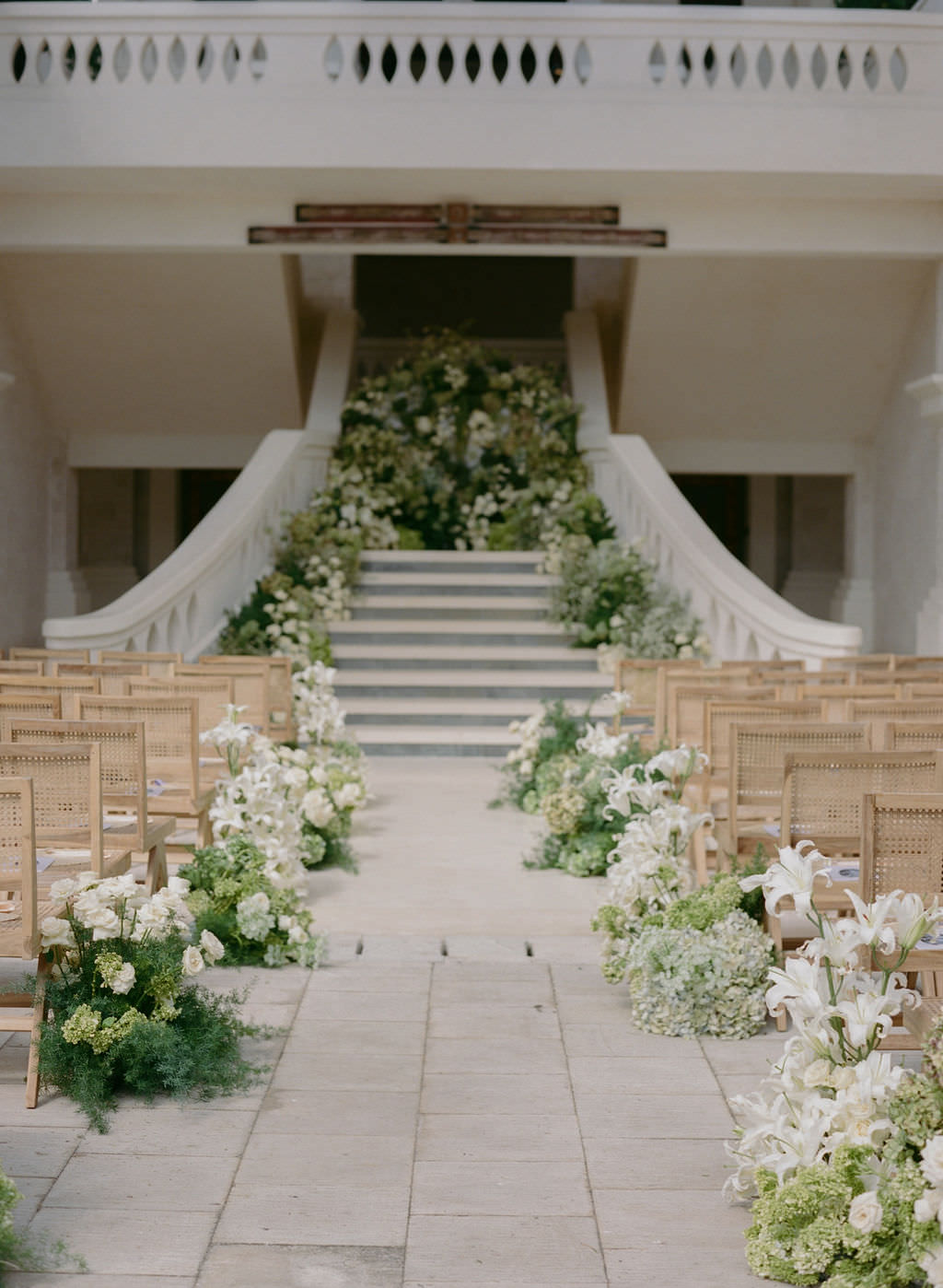
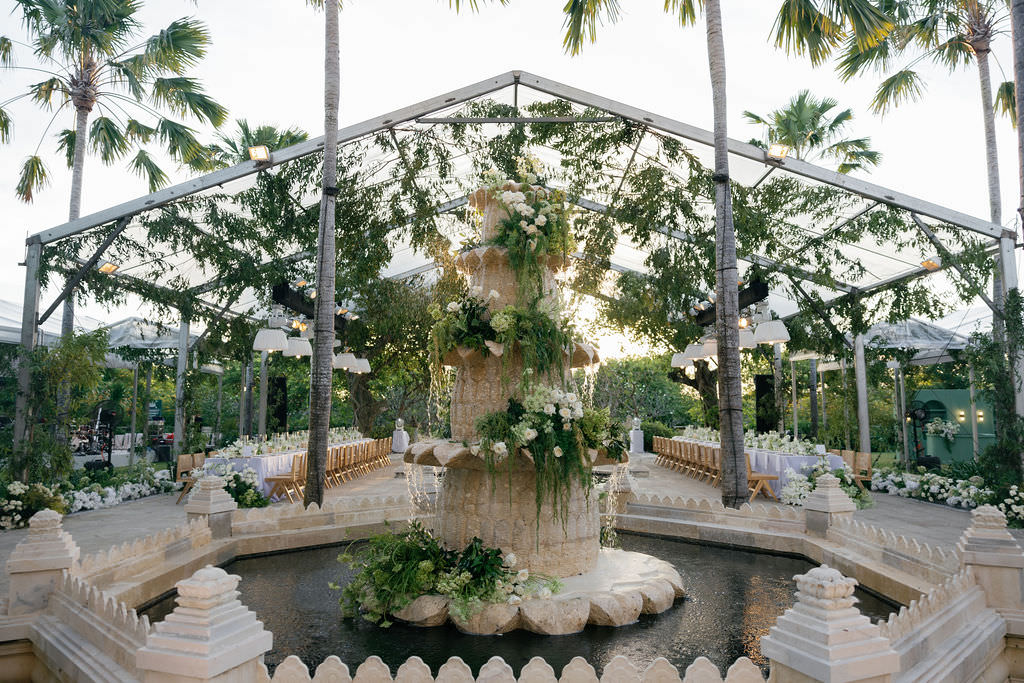
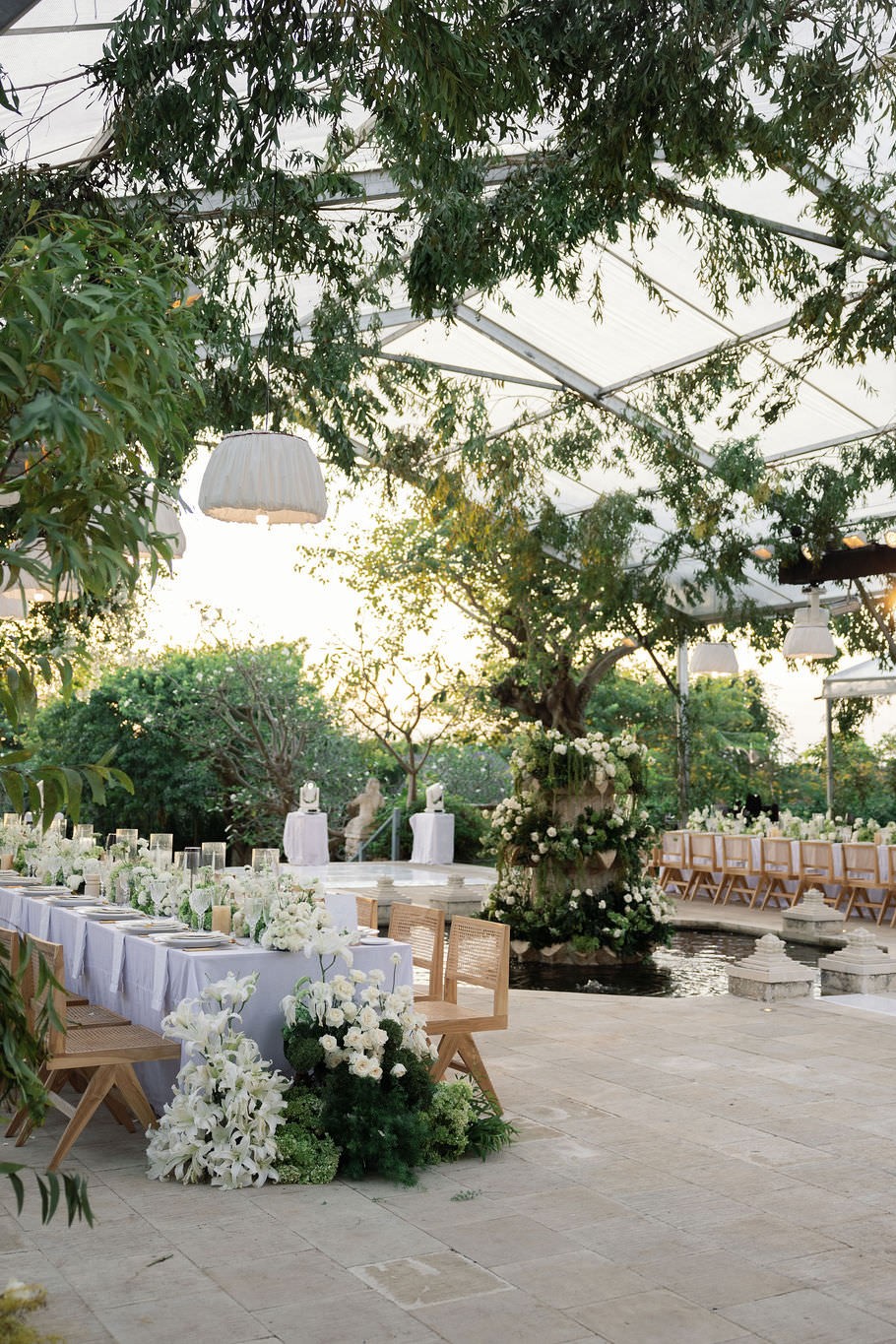
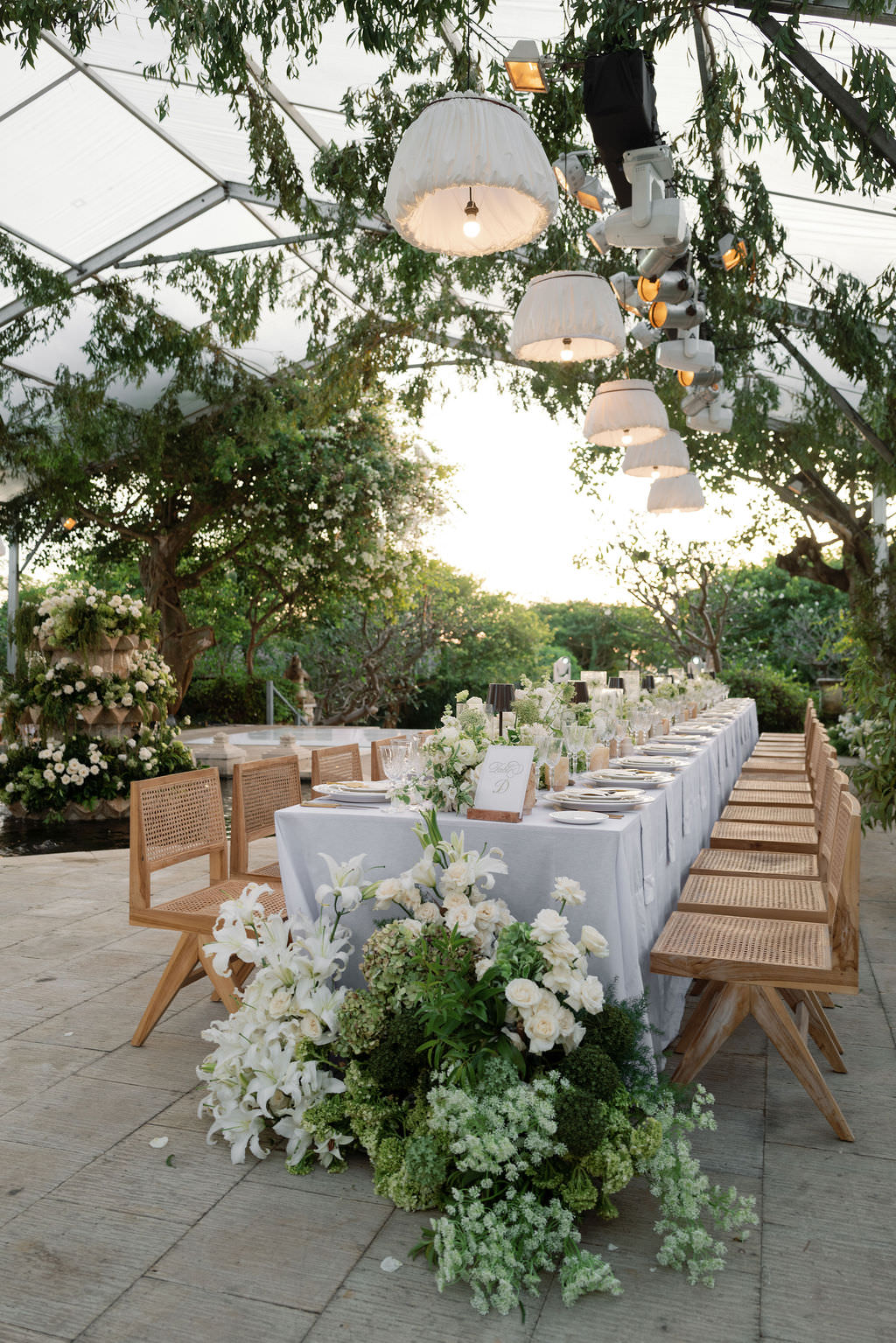
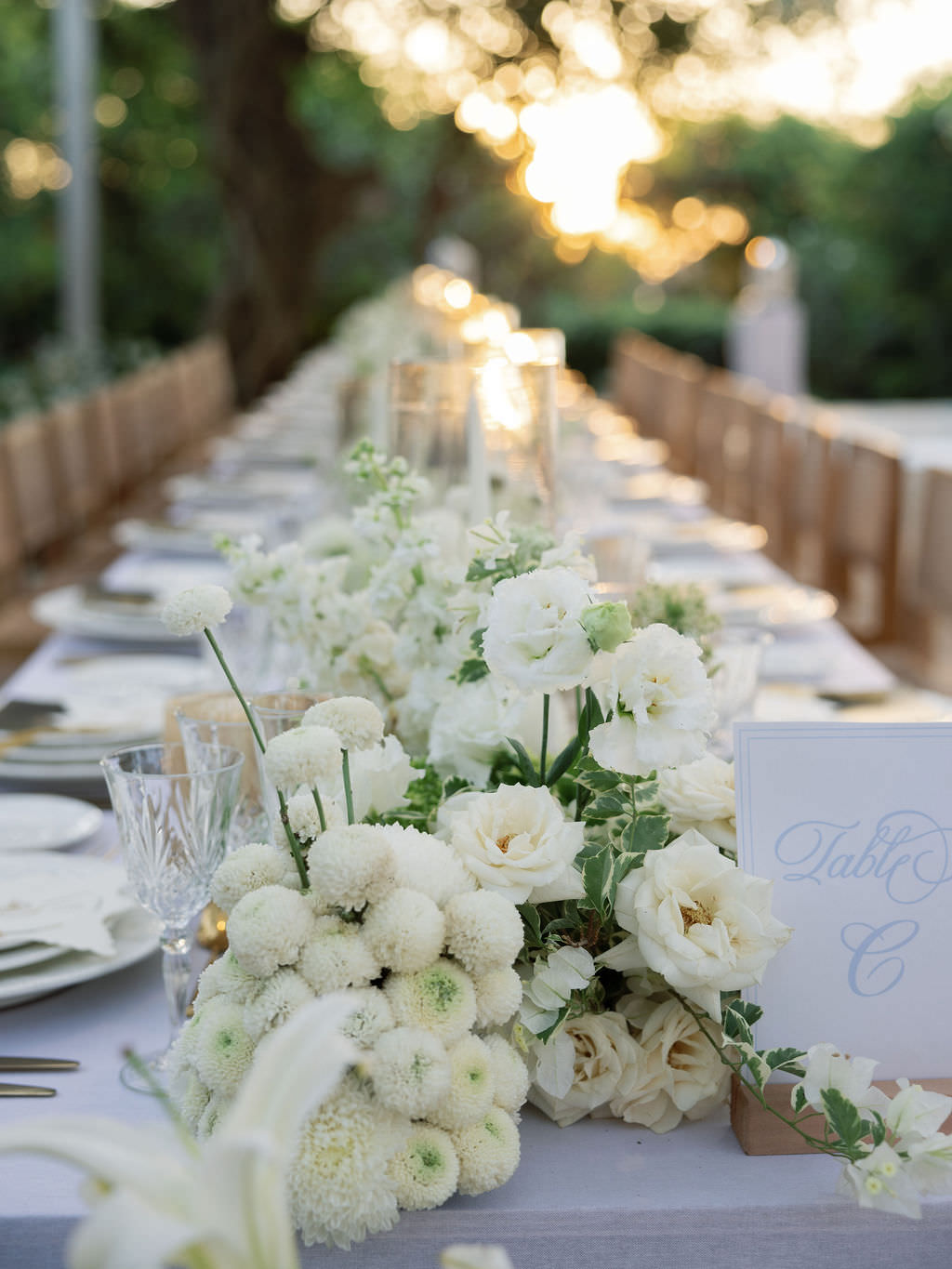
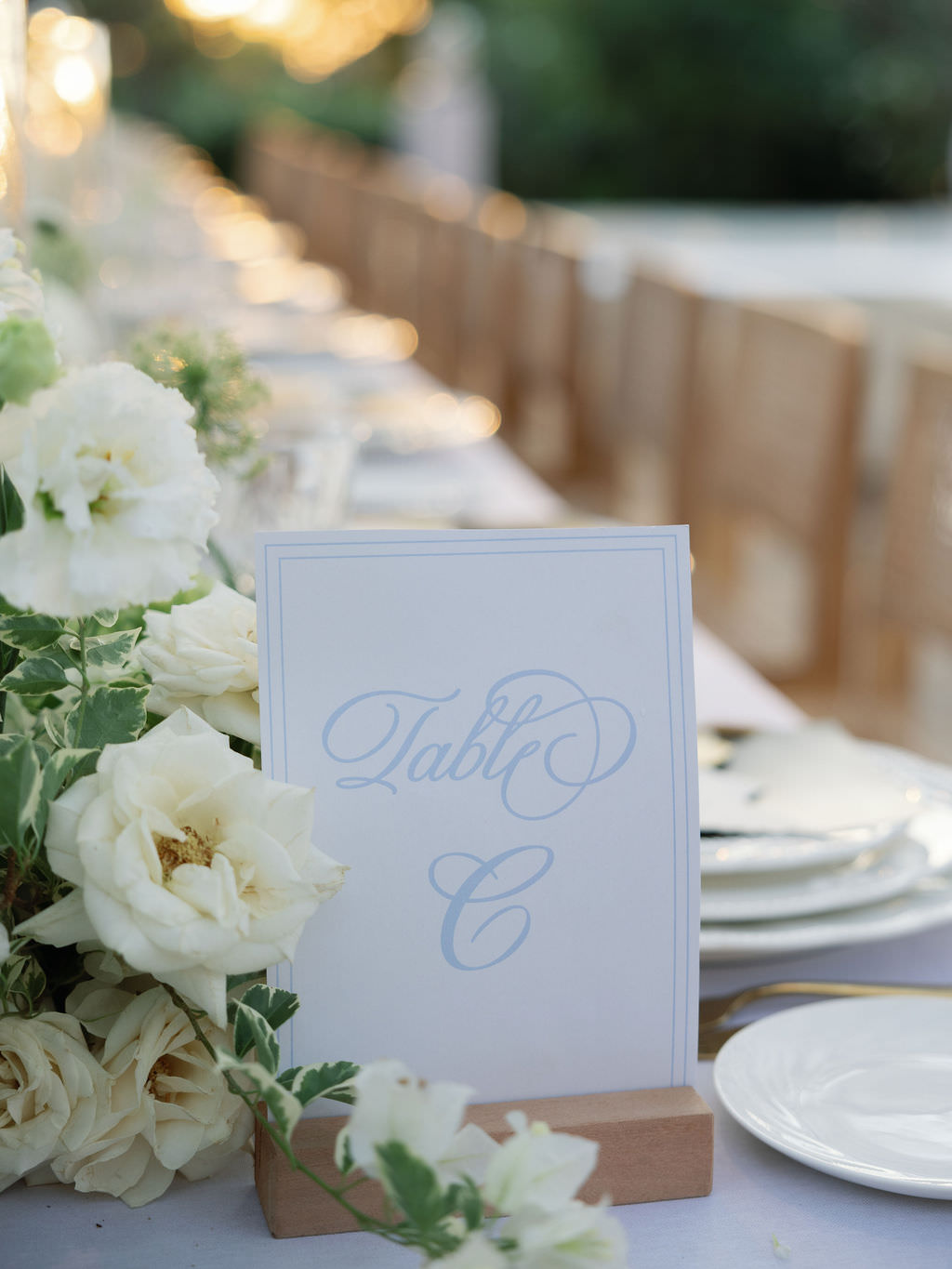
For a wedding at Jumeirah Bali, Myrtle et Olive Floral & Events skipped the traditional straight rows of flowers leading to the ceremony. Clusters of blooms at varying heights and shapes were set along the pathway as though they had grown there. Negative space was left deliberately between them, and different floral textures played against one another. The effect was intentional without feeling rigid, with structure and softness in balance.
We expect the symmetrical aisle to loosen. Couples who have seen a hundred identical rows of blooms are asking for ceremonies that feel composed rather than lined up: arrangements that cluster, vary in height and leave room to breathe. Restraint is part of the appeal, because a designer who knows where to stop reads as more sophisticated than one who fills every inch. We think the same instinct will carry from the aisle into the reception, where florals increasingly behave like part of the room’s architecture instead of something placed on a table.
What Myrtle et Olive Floral & Events adds is softness. The sculptural ideas are there, but they are interpreted through a garden lens.
Event Design, Paper Diamonds
Photography, Katie Grant Photo
Trend Two: Moving Beyond the Traditional Wedding Palette
Villa di Geggiano, Tuscany, Italy
The wedding palette gets a new reference library: architecture, art and the room itself.
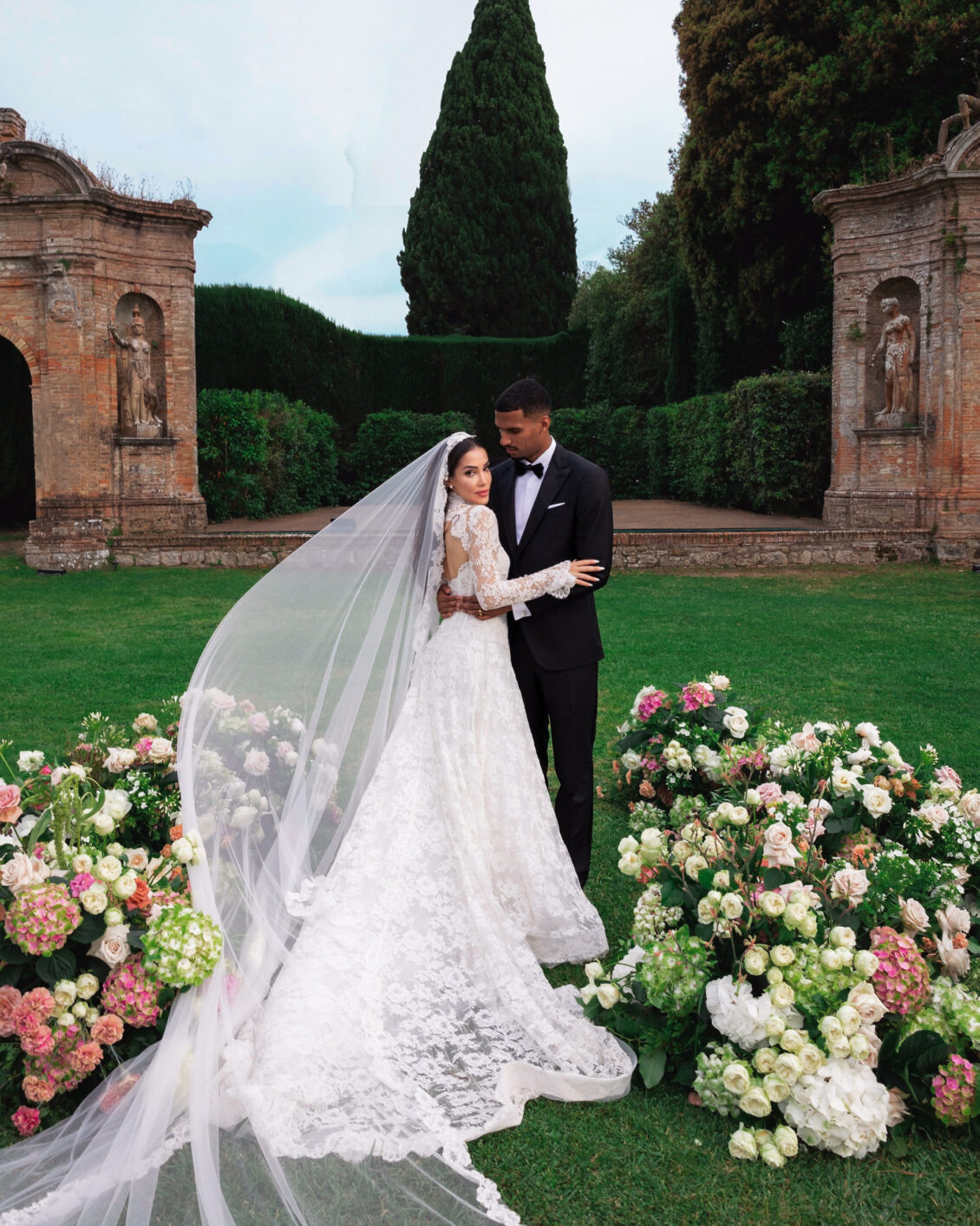
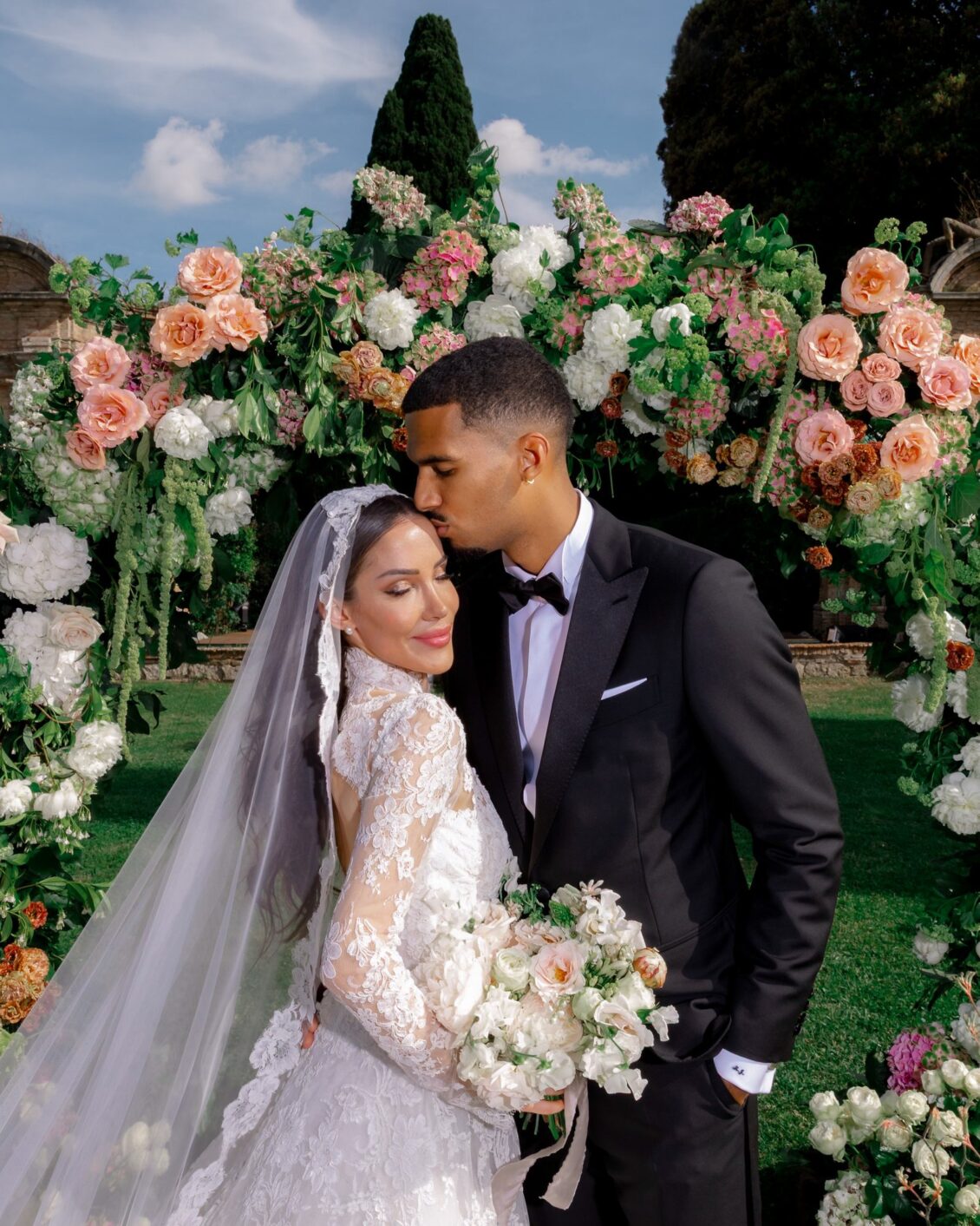
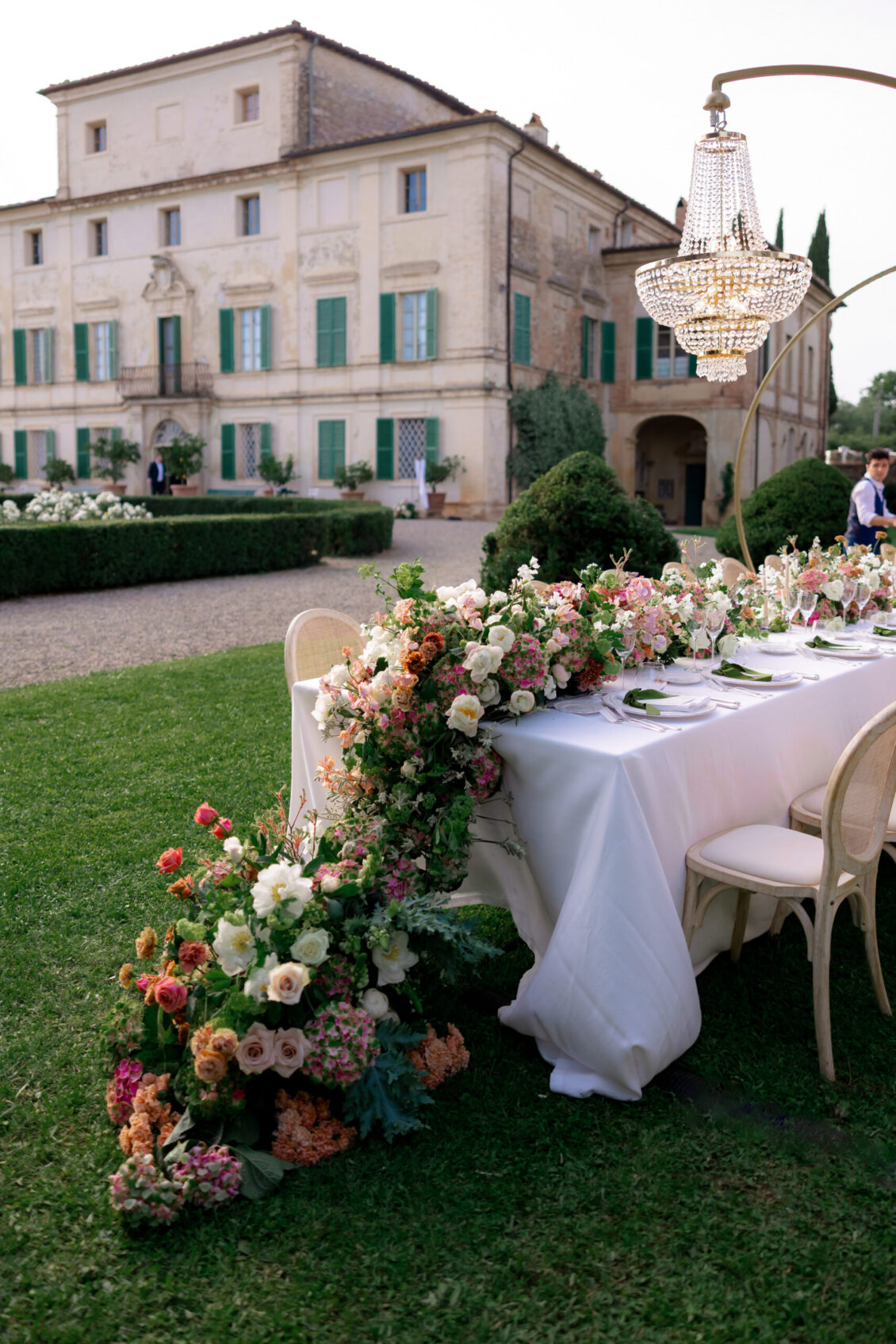
At Villa di Geggiano, the brief came from the building. The villa’s historic architecture and murals set the tone, and Myrtle et Olive Floral & Events responded with an earthy palette tied to its surroundings instead of the expected romantic wedding colours. Sweet peas in an unusual pumpkin-lavender shade added another dimension to the arrangements, the kind of unexpected ingredient that makes a design feel specific to its place.
Colour is where we expect the biggest shift. The all-white and blush default is giving way to palettes with more depth, drawn from the place itself: the stone, the plaster, the painted walls. A villa’s murals are a better colour brief than any mood board, because they guarantee the flowers will look like they belong. Warm earthy tones, muted mineral shades and one unexpected accent are the formula we keep returning to.
Event Planning, Caterina Weddings
Photography, Vlasta Weddings
Trend Three: Unexpected Ingredients and Bolder Colour
David Austin Roses Editorial, Vancouver
The most romantic flower in the garden is getting a surprising supporting cast.
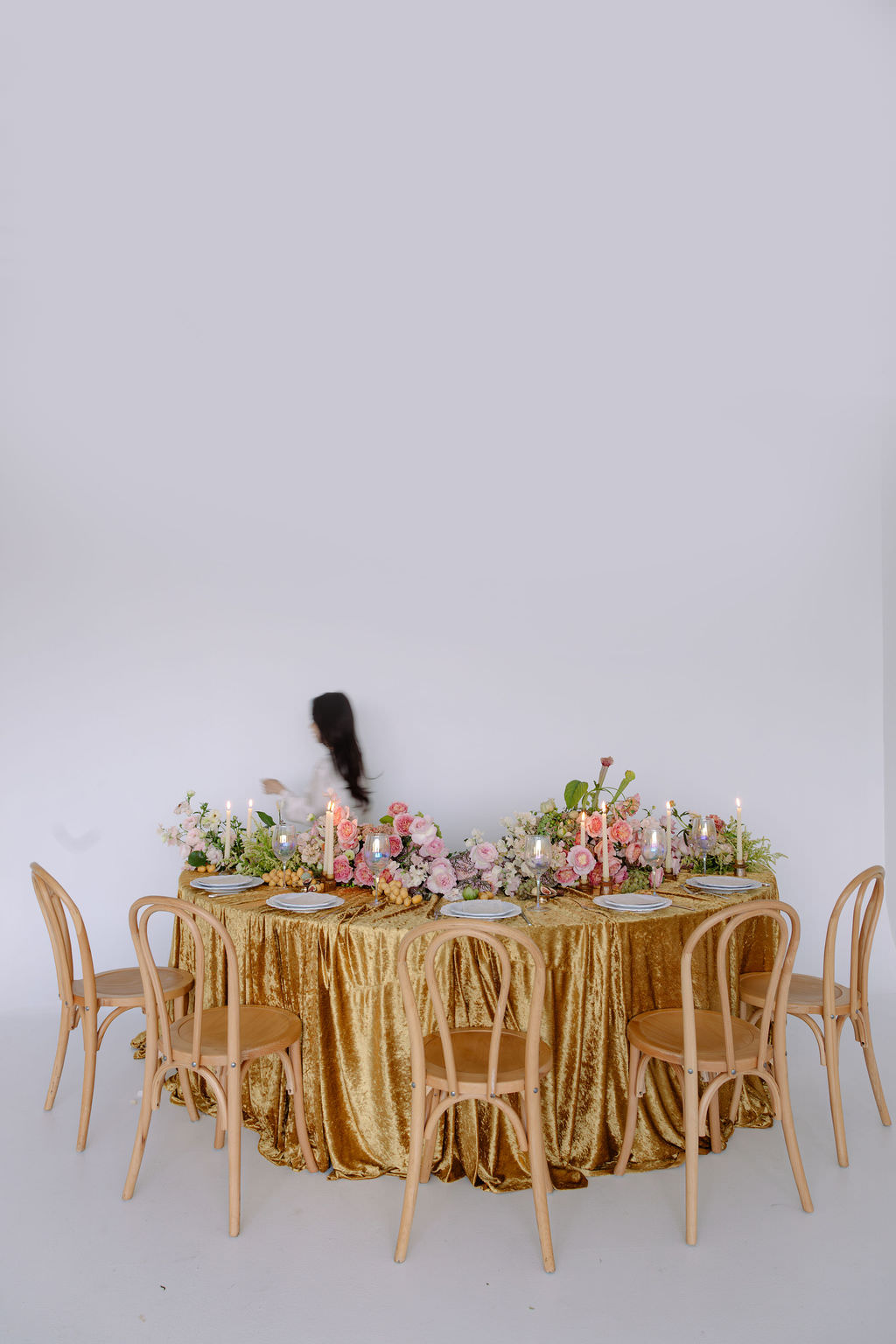
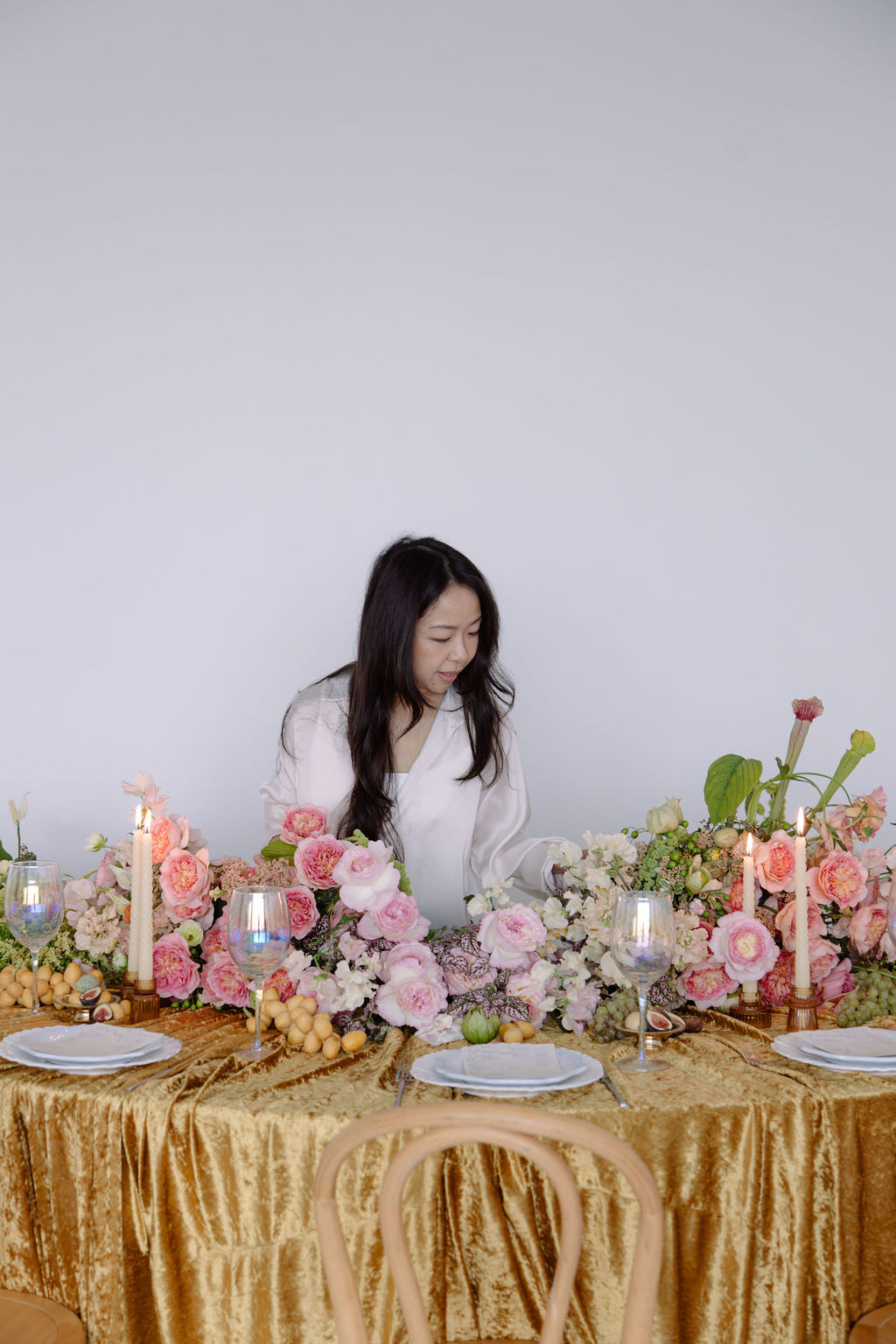
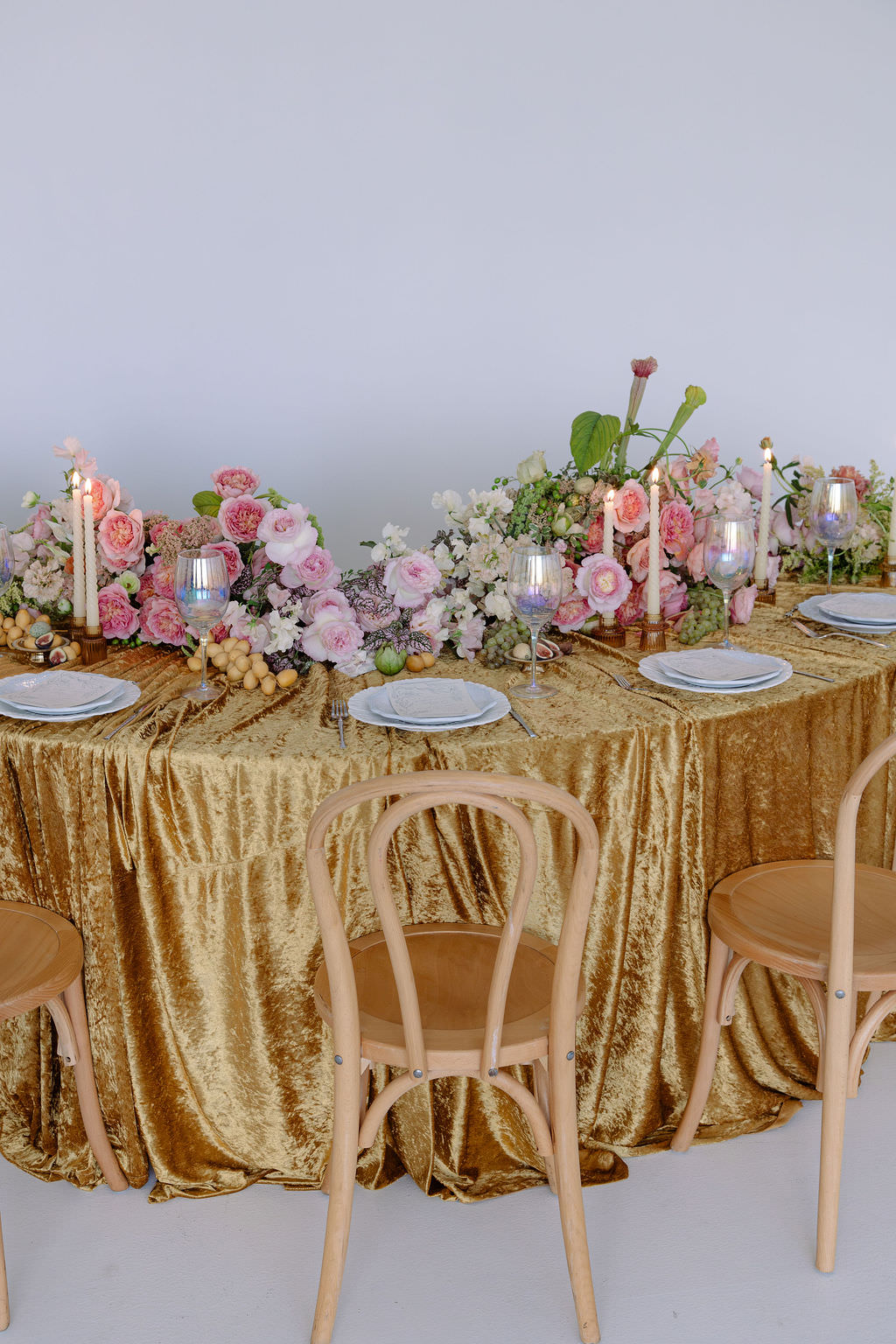
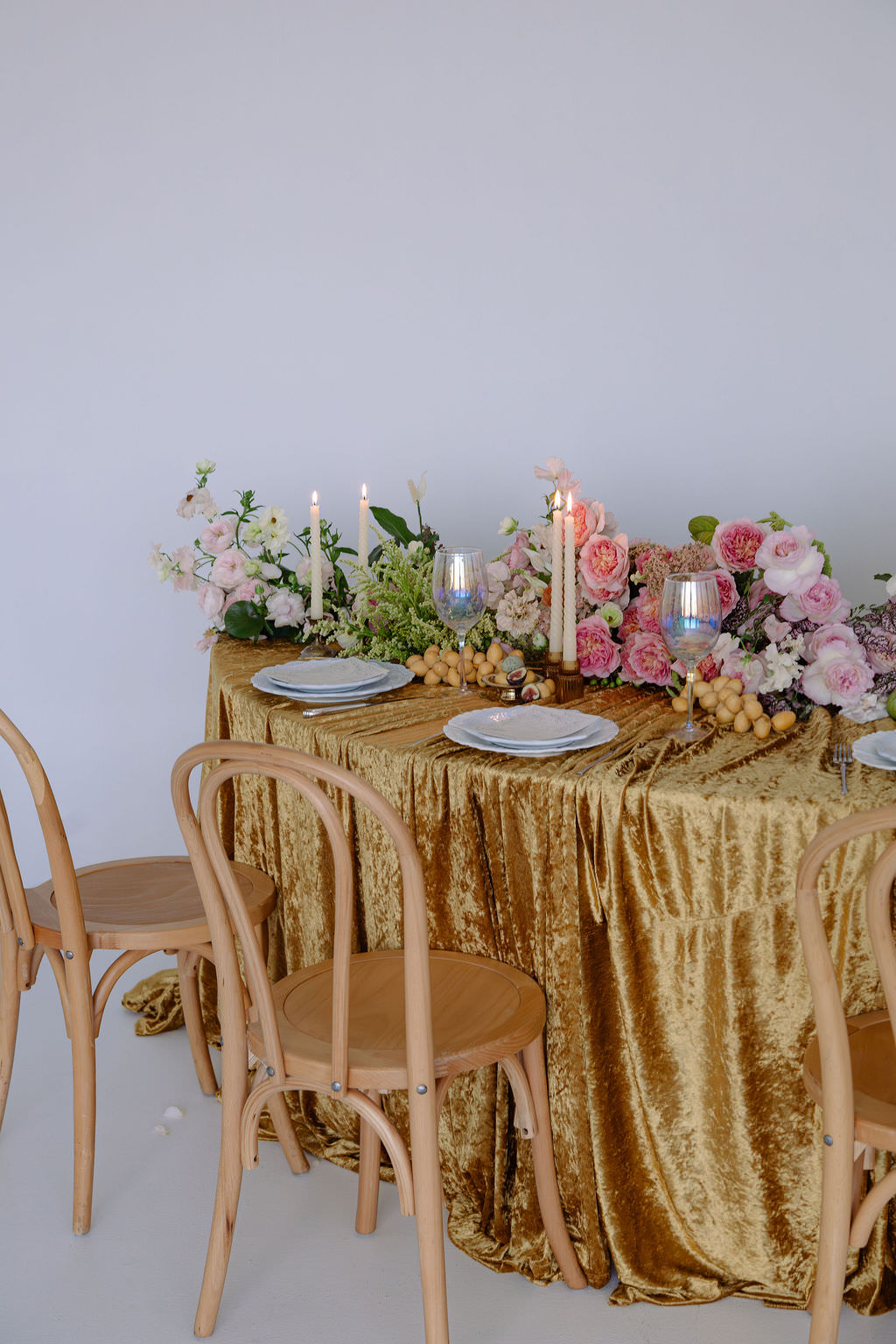
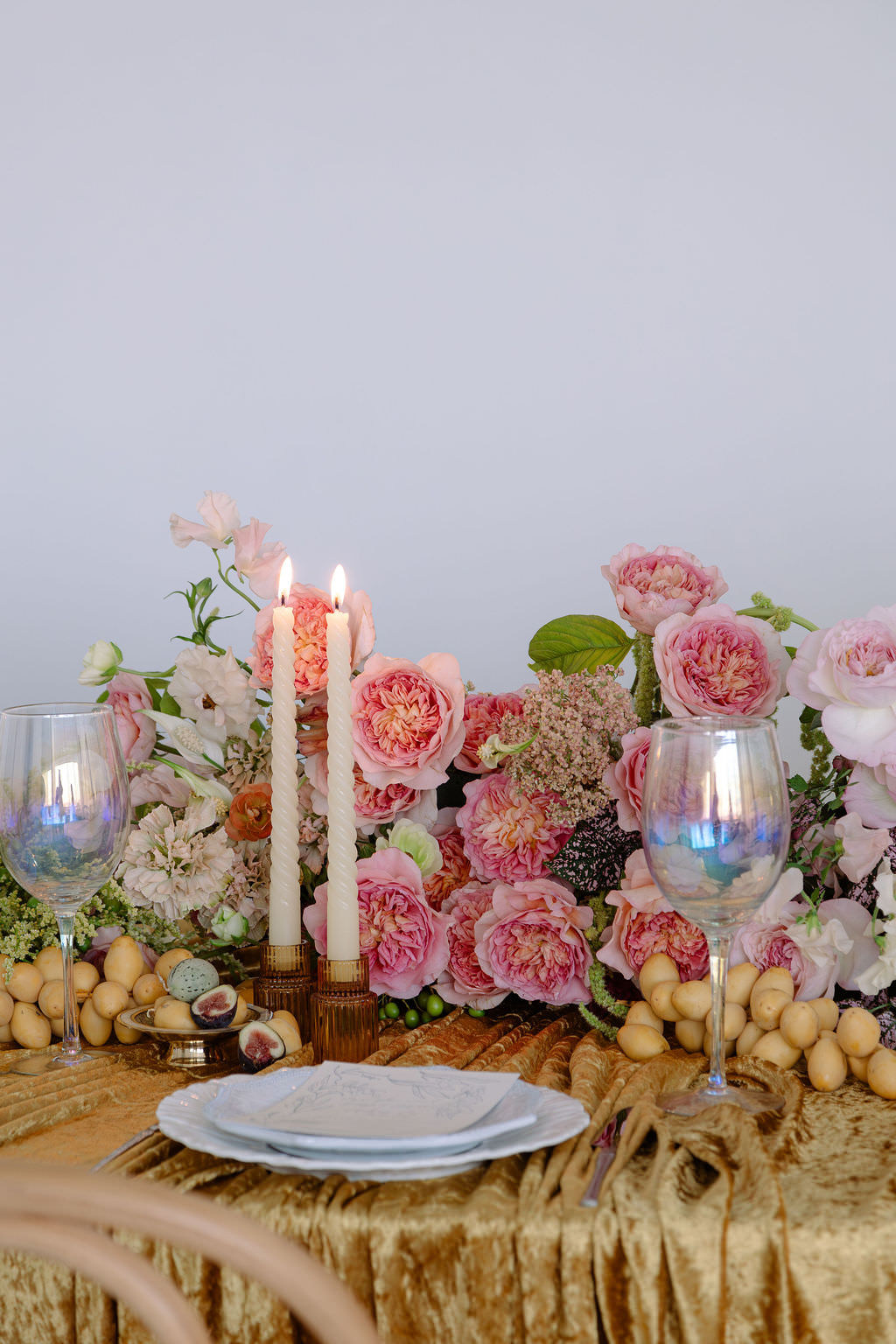
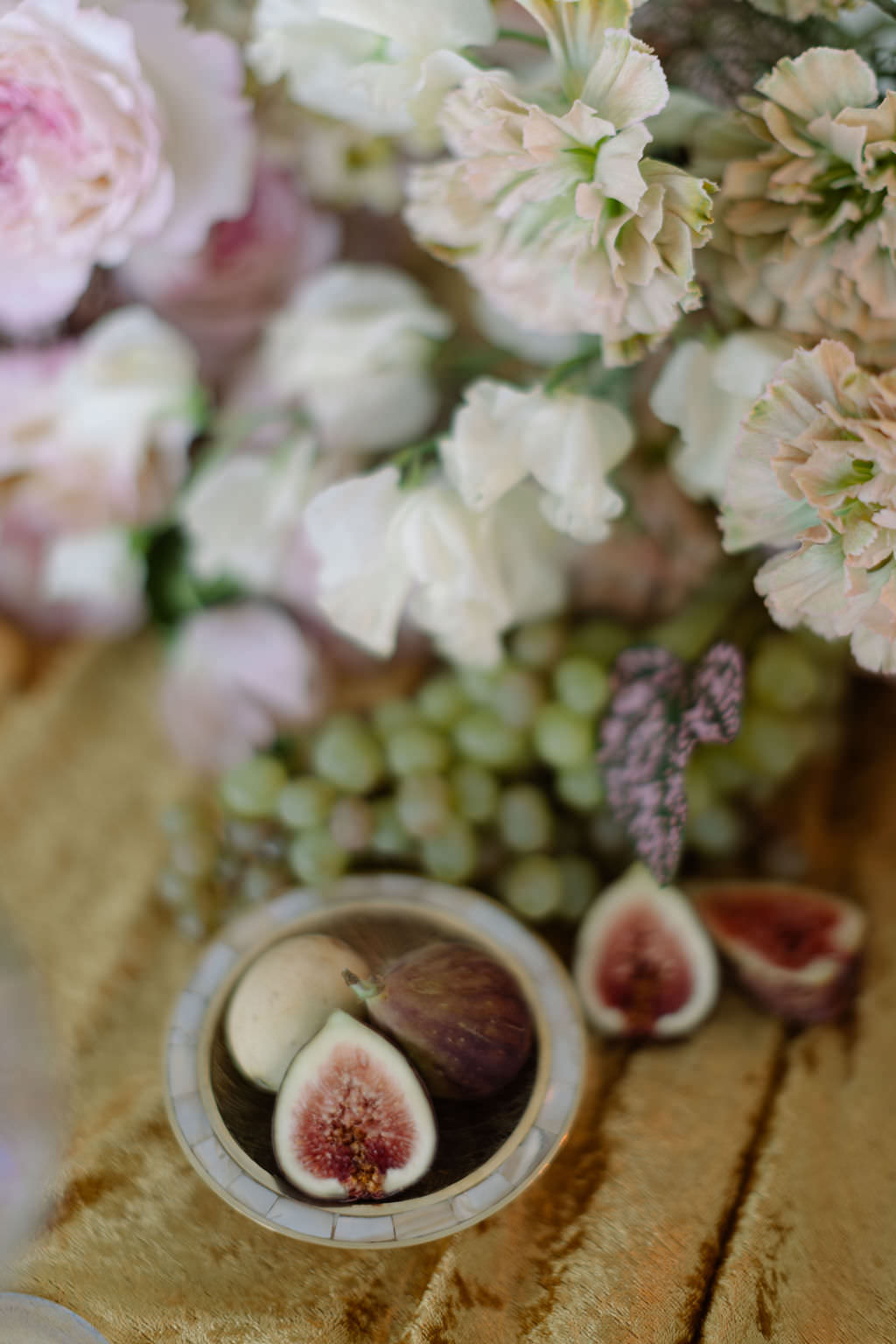
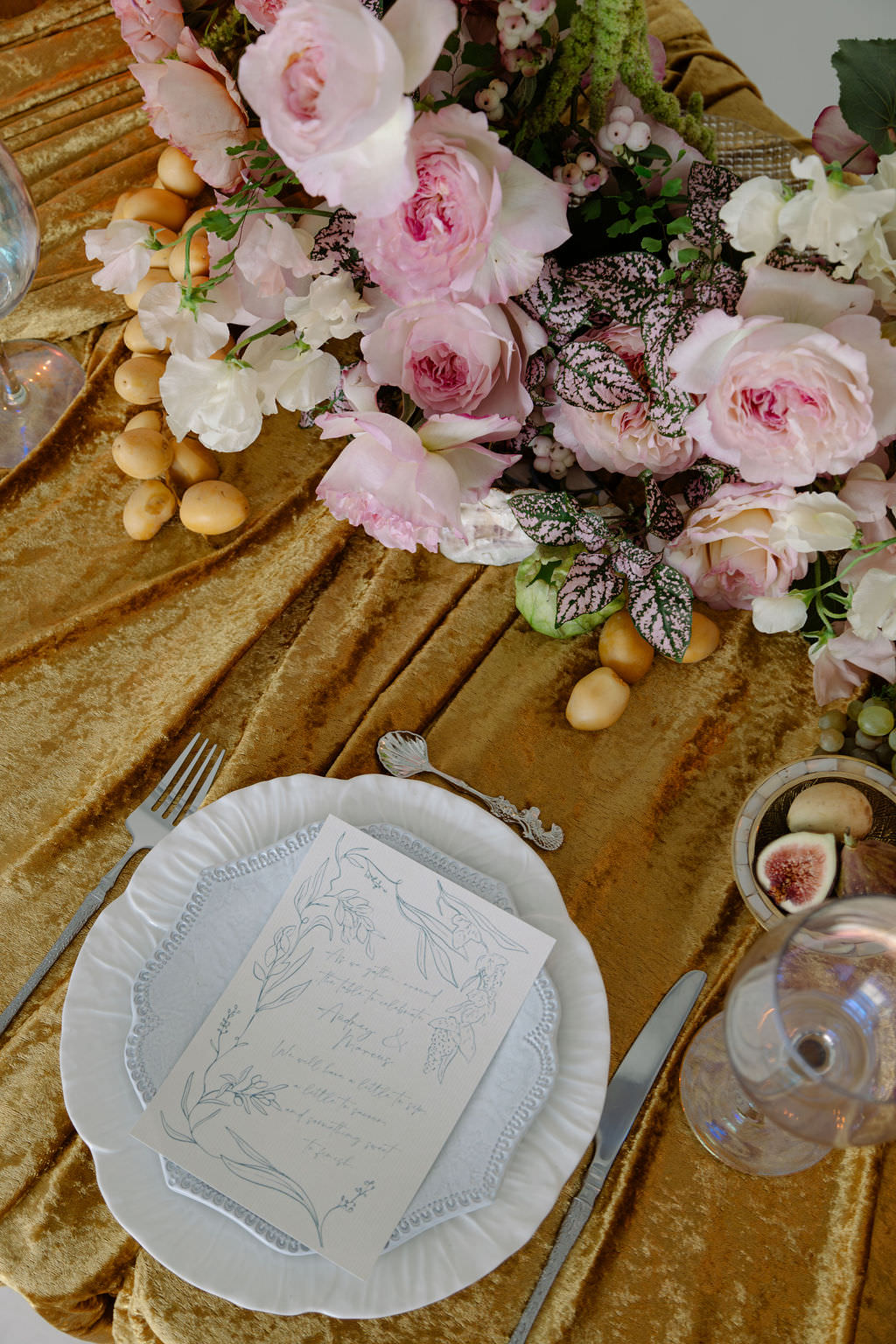
This was Myrtle et Olive Floral & Events’ third year working with David Austin roses, and the studio set itself a challenge: find a new way to present a classic. The roses’ romantic shapes and soft colours were left intact. Around them, the team layered different foliages, including a playful polka-dot variety that added pattern and texture, and paired the classic palette with a bold golden yellow that brought the tablescape to life.
Two instincts meet here that we expect to shape 2027: a preference for designs that feel personal and lived-in over ones that feel flawless, and a willingness to give the familiar an edge. Classic roses will always have a place. What changes is the company they keep. We expect more patterned and unusual foliage, more play with leaf shape and texture, and brighter accents, golden yellows especially, set against soft, romantic blooms. The contrast is what makes the classic feel current.
The studio’s ambition is clear: to be known for how colours, shapes and textures come together, not just for which flowers it chooses.
Florals, David Austin Roses
Photography, Nadia Hung
Furniture, Sie Collection
Three settings, three briefs, one point of view. Structure that doesn’t stiffen. Colour that comes from the place. Surprise that stays rooted in the garden. If 2027 is the year florals become more intentional, more personal and a little bolder, this is the direction we hope more couples hand their florists.
WedLuxe Glitterati Members


The Team
Every professional who shaped this story, listed by role.
Event Design
Photography
Event Planning
Photography
Florals
Photography